
Find Englewood Resident Records
The starting record depends on the question. An address or owner name fits the tax and parcel systems. A recorded transfer belongs in the Bergen County Clerk index. Someone checking personal registration can use the state voter route. Court, archive, and municipal-request paths fill out the rest. No single record proves every fact about a household.
Know what each record actually says. An owner can receive tax mail elsewhere. A deed records a transfer, not every resident at an address. Voter results concern registration only, and newspapers tie a name to a single dated event. Those limits are exactly why a second independent record matters before you trust any match.
- Begin with an address, owner name, or dated name and use the county tax or parcel route that fits it.
- Compare the indexed owner, situs address, block, and lot before moving to a recorded document.
- Use the state voter search only as a personal registration check, with the spelling held by county elections.
- Search the deed index for a party name or legal description, then read the record date and transfer sequence.
- For an older family question, add the library archive, county history collections, or a precise written records request.
Note: A blank result may point to a protected address, an unindexed era, or a record held by a different custodian.
Englewood Resident Records Offices
Englewood sits in Bergen County, so land, election, and many court records lead to county or state custodians rather than a single city counter. The City Clerk handles municipal records. The municipal assessor answers current local tax-card questions. Recorded land documents stay with the county Clerk, and each office contributes a different piece of residents-directory evidence.
Bergen County Clerk Land Records
One Bergen County Plaza
Hackensack, NJ 07601
201-336-7036
Englewood Tax Assessor
2-10 North Van Brunt Street
Englewood, NJ 07631
201-871-6621 ext. 712
Bergen Commissioner of Registration
One Bergen County Plaza, Room 380
Hackensack, NJ 07601
201-336-6109
Address-centered work benefits from a single organized path. The Englewood street directory keeps parcel, map, and deed lookups together without treating a tax name as proof of occupancy.
Englewood Parcel Records by Name
New Jersey's property systems make a practical entry point for the Englewood residents directory. Pick Englewood from the municipality menu. Then try an owner name, location, block, lot, ZIP, tax year, or a parcel click. The annual tax-list snapshot can show owner and location. It can also list assessed land and building value, prior-year taxes, classification, and related parcel identifiers. However, transfers after certification can lag that list.
| Parcel search field | How it helps | Care point |
|---|---|---|
| Owner name | Finds a named tax owner | Try corporate and spelling variants |
| Street address | Locates a physical parcel | Use number and street name |
| Block and lot | Links map, assessor, and deed work | Format can vary by viewer |
| Map selection | Reveals a parcel in context | Map data is not a survey |
The Bergen County property-record entry point is the official route in. A situs names the parcel's physical address. The mailing address is different. It marks where tax mail goes, not who occupies the property.
Note: Ask the Englewood assessor for the current card when a map display and local tax figures conflict.
Check the Bergen property-record search entry point first.
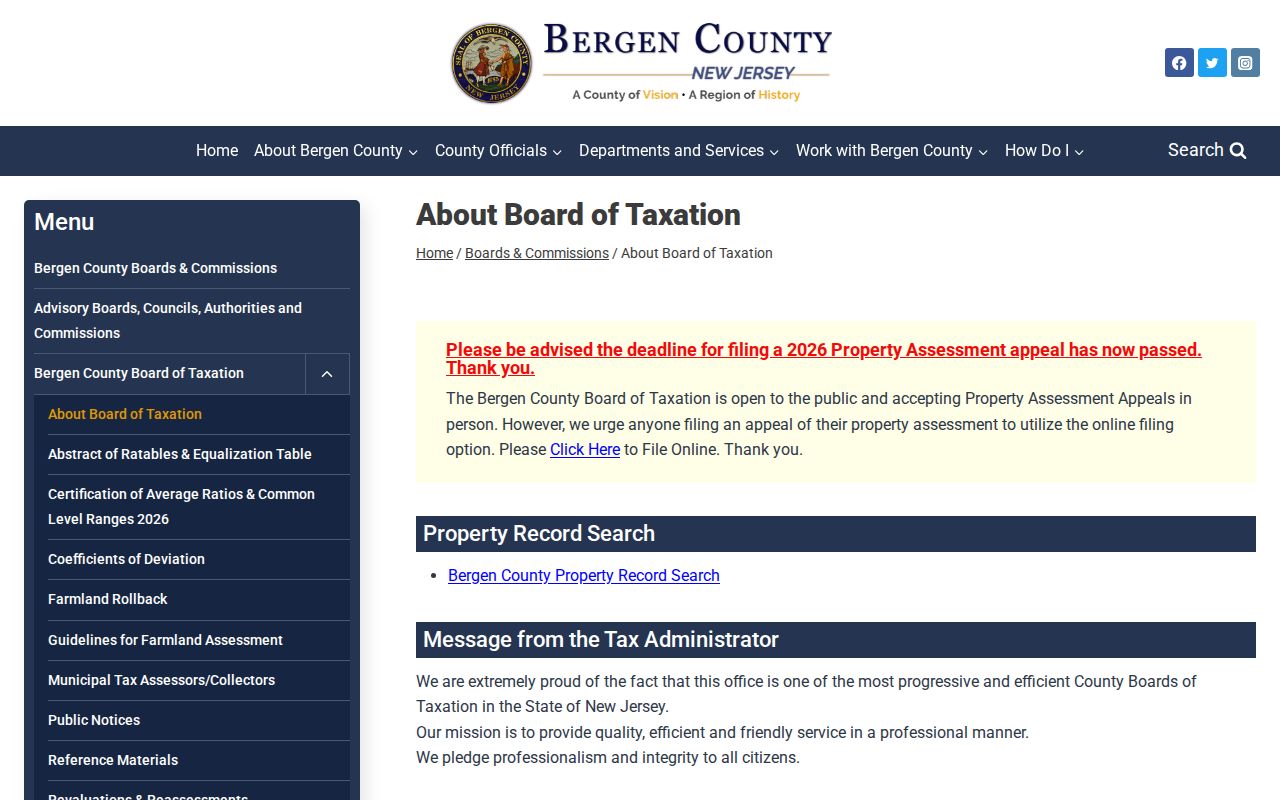
The official entry screen is a useful reminder. Annual assessment data and a present household are different things, and the snapshot answers only the first question.
Englewood Deed Names and Parcels
The Bergen County Clerk land-record search lists deeds and mortgages recorded from January 1, 1970 to the present among its public documents. Party searches run on grantor and grantee names. Refinements cover date, document type, municipality, block and lot, legal description, and book or page where available. Try every spelling variation, as the Clerk advises.
A grantor transfers the interest. A grantee receives it. Trace the current owner as grantee and the prior seller as the earlier grantee to build a title trail. The legal description must stay consistent. A street address can vanish from older instruments or change after a subdivision. The recorded document is therefore a stronger ownership source than any quick address match.
Online access begins in 1970. Bergen deeds from 1715 through 1901 have State Archives finding aids and microfilm support, while the intervening years need confirmation from the county, the archives, or FamilySearch collections. That split is unusual. It is why an Englewood residents directory search can stall online even though an older deed survives.
Englewood Voter Record Limits
The New Jersey Voter Search exists for an individual registration check, not a public street browse. County spelling matters. Try a hyphen, a space, a prior surname, or a middle initial where it fits. Skip nicknames. A voter can confirm registration status and election information this way, though the tool never builds a complete household list.
New Jersey also releases voter lists through the Bergen Commissioner of Registration under N.J.S.A. 19:31-18. That route is regulated. It caps reproduction costs at $375. Signatures and protected covered-person addresses are excluded, and the list may be organized by election district rather than a familiar street. Ballot choices remain secret in any resident record.
Englewood Court Record Clues
NJ Courts Find a Case gives each court type its own search route. Civil, criminal, judgment, tax, municipal, and Supreme Court matters sit on separate paths. The case-jacket instructions split individuals from businesses. Party-name and docket searches both start the same way. You enter a last name, a first name, and an optional middle initial. County or date filters come later. Before tying a match to a real person, check the venue, docket number, caption, and date.
A case jacket lists the basics. It shows a party, an initiation date, a proceeding, an order, or a status. It proves no address in Englewood. It proves no allegation true. Remote access leaves out the filed documents themselves, so a pleading, judgment, or certified disposition must come from the right court clerk. Have a docket number and document name ready. Sealed, juvenile, expunged, and protected material stays outside any ordinary public lookup.
Englewood Vital Record Routes
New Jersey Vital Statistics and Registry runs no general public name database. Births, deaths, and marriages stay outside it. Englewood events belong to the Englewood Department of Health. Older and current central holdings split between the state office and the State Archives. Every request needs the event place and date. It also needs identity material, and any relationship or entitlement proof the office requires.
Access rules tighten for recent events. Births within 80 years, marriages within 50, and deaths within 40 are restricted. Genealogical requests for older records follow separate deceased-person and identification rules. Englewood lists its local office as Vital Statistics and Licensing, reachable at 201-568-3450 option 2. A state or local certificate can answer a family-history question. It still cannot replace an unrestricted residents directory.
Check current application options and eligibility through the state vital-record route before sending sensitive information.
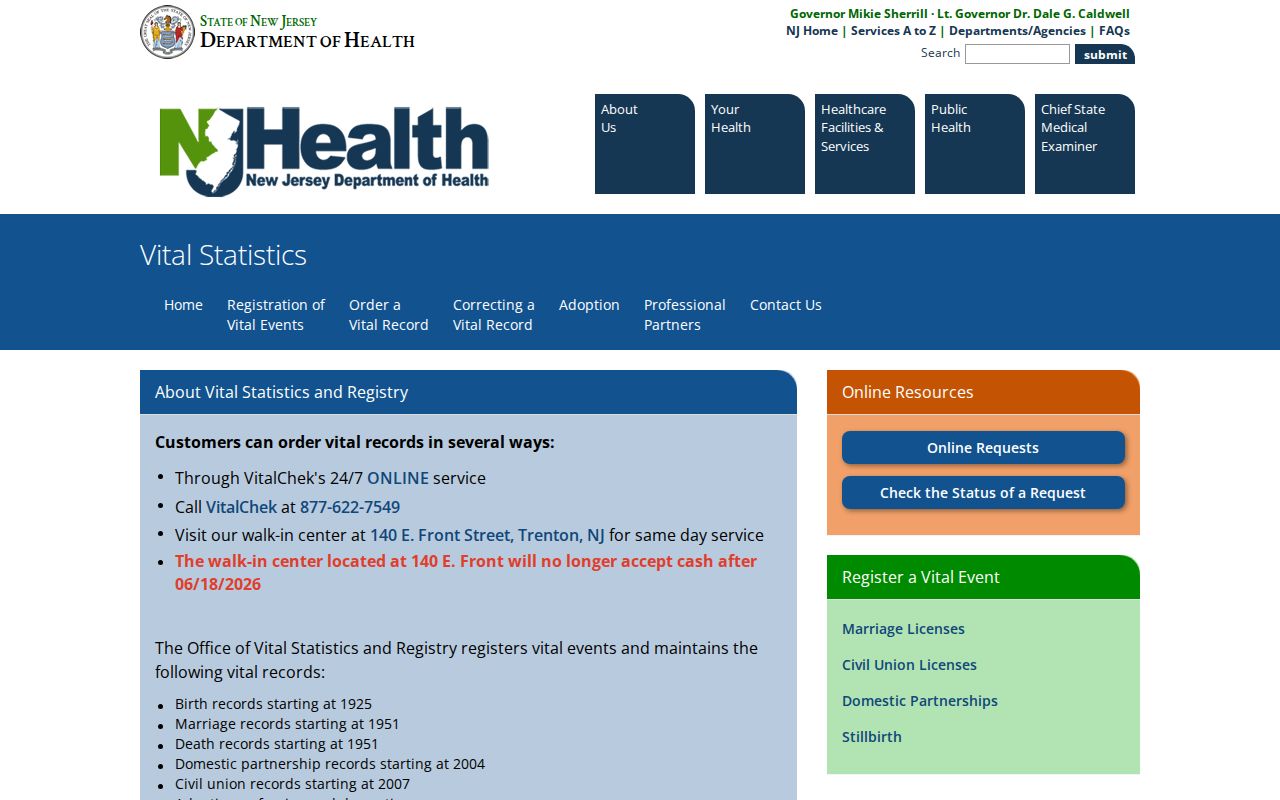
The official vital-record page routes requesters to the correct custodian. It does not display a searchable list of Englewood residents.
Englewood OPRA Request Paths
A written, specific request to the right custodian is the proper path. That applies when a municipal record is not posted. New Jersey Government Records Council guidance explains the mechanics. Englewood takes ordinary city requests through its city route. Police records go to the Police Records Bureau. A phone call can confirm availability. A phone call is not an OPRA request.
The New Jersey Open Public Records Act, P.L. 2001, c.404, N.J.S.A. 47:1A-1 et seq., ordinarily requires a response as soon as possible. The deadline is no later than seven business days for an available, unarchived record. Spell out the record, date range, address, and department. Say whether you want a copy or inspection. A custodian may redact protected details or deny a request that another confidentiality rule governs. Denials can be appealed to the Government Records Council or Superior Court.
Study the official OPRA model request route before drafting the records description.
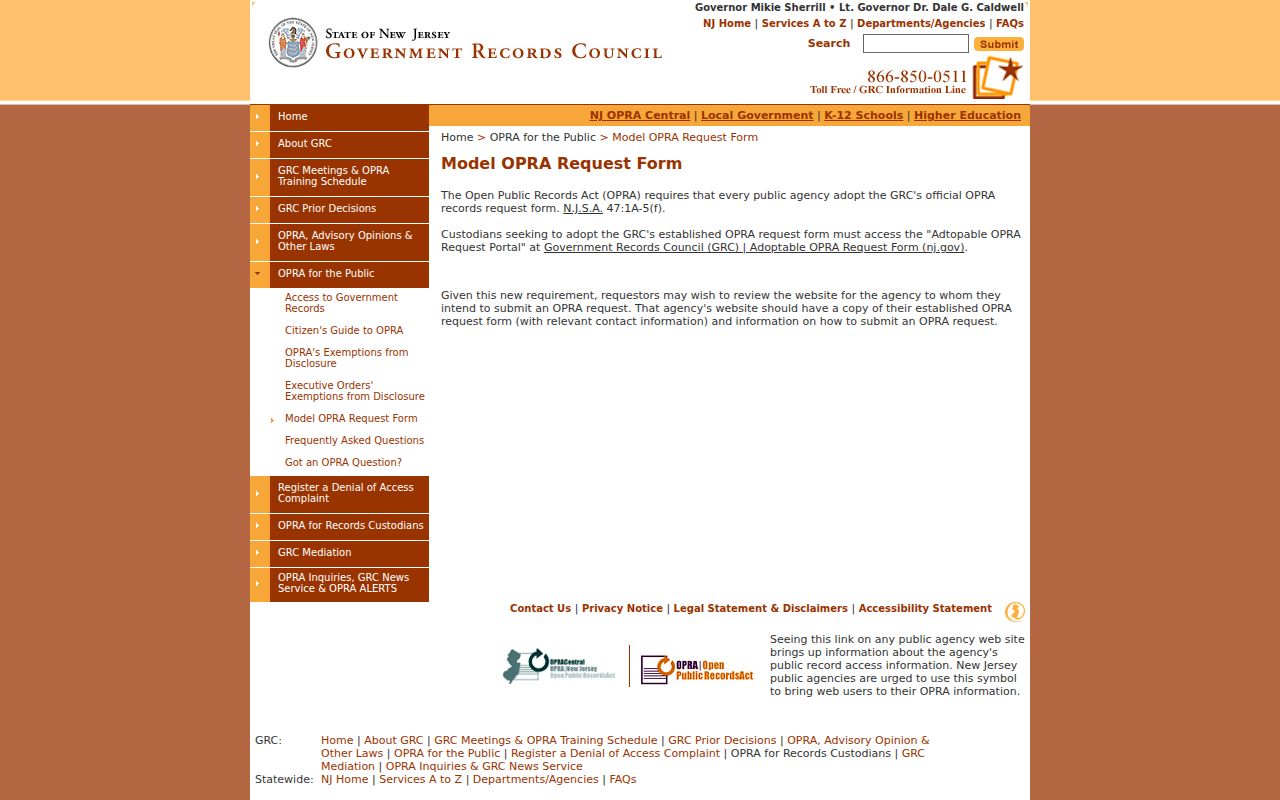
State guidance helps route a request. It cannot override court, vital-record, privacy, or public-safety limits.
Start instead with the Englewood Citizen Resource Center for a city service or records question, then decide whether a written request is needed.
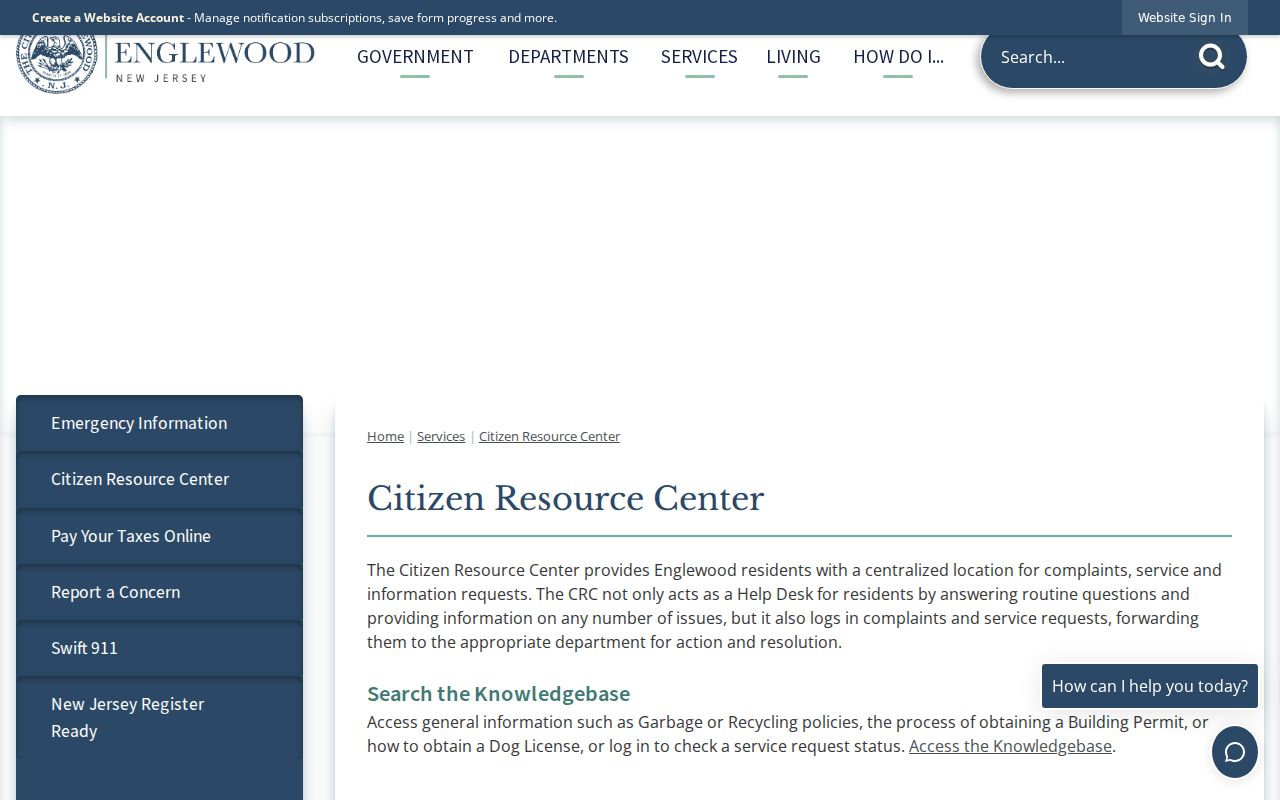
The city help desk points toward service information and request status. It is not a historical person index.
Current Englewood Resident Directories
Current entries in an Englewood residents directory each describe a different tie to the city. A tax card links an owner to a parcel. A recorded deed names the parties to a transaction. The city staff directory lists public contacts, not a historical personnel roll. The voter route verifies personal status. Treat every one as a dated, limited record rather than a universal list.
| Record source | Englewood connection | Custodian | Access channel |
|---|---|---|---|
| Tax list and parcel record | Owner, parcel, assessments | Assessor and county tax systems | Map/list and local card request |
| Voter record | Individual registration status | State and Bergen registration offices | Personal search or regulated list route |
| Land index | Recorded parties and transfer data | Bergen County Clerk | Web index, counter, archive |
| City staff directory | Current department contacts | City of Englewood | Online city directory |
| Public meeting packets | Public roles, applicants, presenters | City Clerk and agenda center | Online packet or Clerk inquiry |
For a question about one person, the Englewood resident lookup approach tests a name against the right record type. It never treats all directory entries alike.
Englewood Press Name Searches
A surname search in a modern Englewood lookup system only reaches so far back. For deeper residents-directory work, Englewood Public Library's Digifind-IT archive reaches much further. The index spans Documents, Newspapers, Photo Gallery, and Videos. The Englewood Press itself runs from 1890 through 1982. Searching a family name, street, school, church, business, or event can surface an obituary or a social notice. It can also surface an address mention, or a photograph that no current government record contains.
Treat OCR text as a lead, never a conclusion. Open the page image itself. Verify spellings, street abbreviations, and dates. Then confirm the article truly names the person you are chasing. The archive earns its keep when a deed offers nothing but a legal description. It also helps when a city directory lists only initials. That dated community context can separate two Englewood residents who share one name.
A municipal office or city record may make more sense as the next stop. The City of Englewood official services page lists what the city itself provides.
The city service entry point complements the library route. It suits questions where a local office or municipal request serves better.
Englewood Records Before 1970
Bergen County's online land records begin at 1970. That creates a hard break for older work. Anything earlier on an Englewood parcel or family name goes through the New Jersey State Archives. Its holdings cover county deeds, tax lists, probate, naturalizations, court files, census material, military records, and vital records. Free public research, appointments, and reproduction services are available. The Archives' Bergen deed guide spans 1715 to 1901. That reaches back far beyond the online index.
Englewood's boundaries shifted repeatedly. There was the 1859 street layout, the 1871 township division, the 1891 Teaneck separation, and the 1895 departure of Englewood Cliffs before city incorporation finished in 1899. Because of that, older records often carry a wider location description. Match the legal description, township, street context, and record date before tying an old name to today's city lines.
Note: Confirm any 1902 through 1969 access path with the county or archives. No online or digitized route is published for those years.
Englewood Business Name Checks
A business filing or professional-license record can name a person. But an affiliation is not an address. The New Jersey business-name search accepts a business name, keyword, or entity identifier. Its broader Business Records Service goes further. It lists registered agents, principals, city information, filings, reports, and copies, under access rules of its own.
Put the business name to work narrowing a deed, newspaper item, license record, or public meeting notice. Then sort out what the address actually is. It may be a business location, a registered-agent address, a mailing address, or a separate property tie. That distinction keeps a residents-directory search honest. It keeps a public filing from turning into a claim about somebody's household.
Open the state business-name search before comparing a legal entity name. Check it against an Englewood parcel or a newspaper notice.
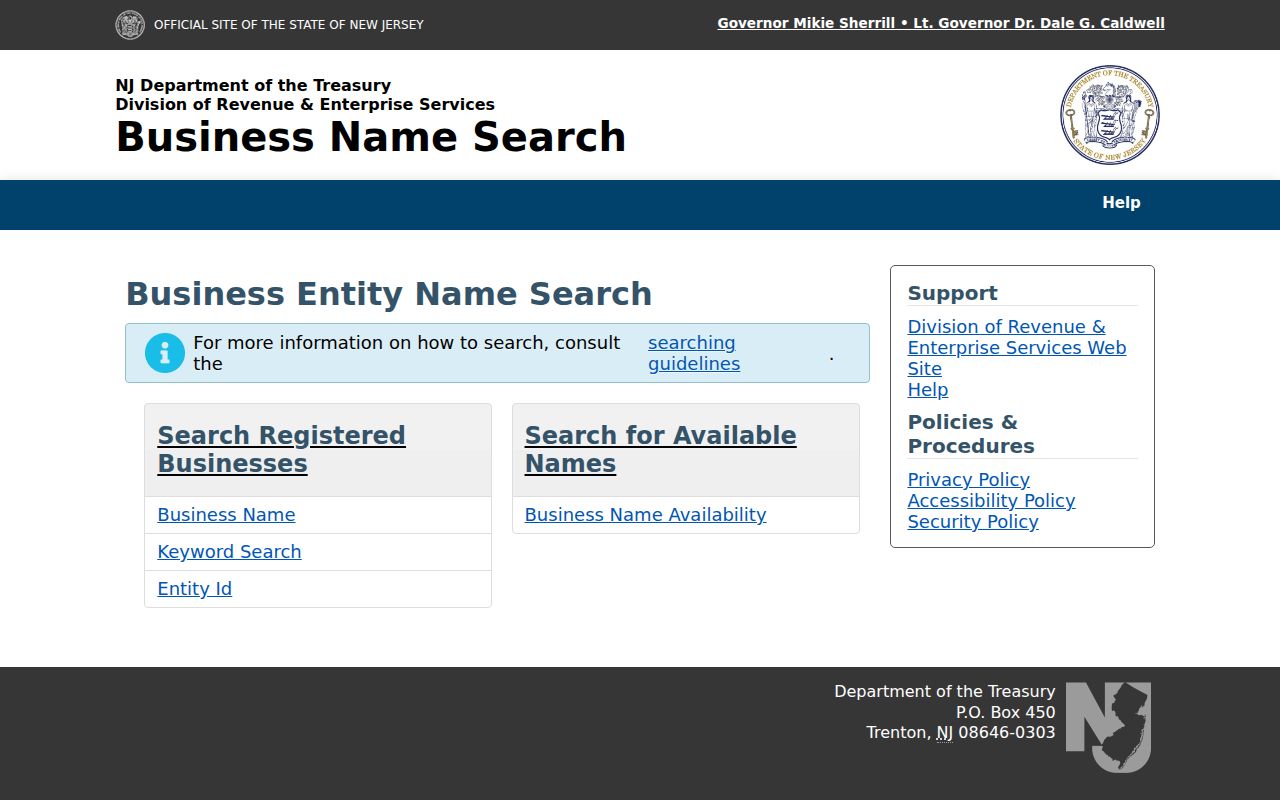
The state search builds an entity trail nicely. Ownership and residence still need separate public-record corroboration, because a filing alone settles neither.
The New Jersey professional-license directory offers another official affiliation check whenever a board publishes the matching verification.
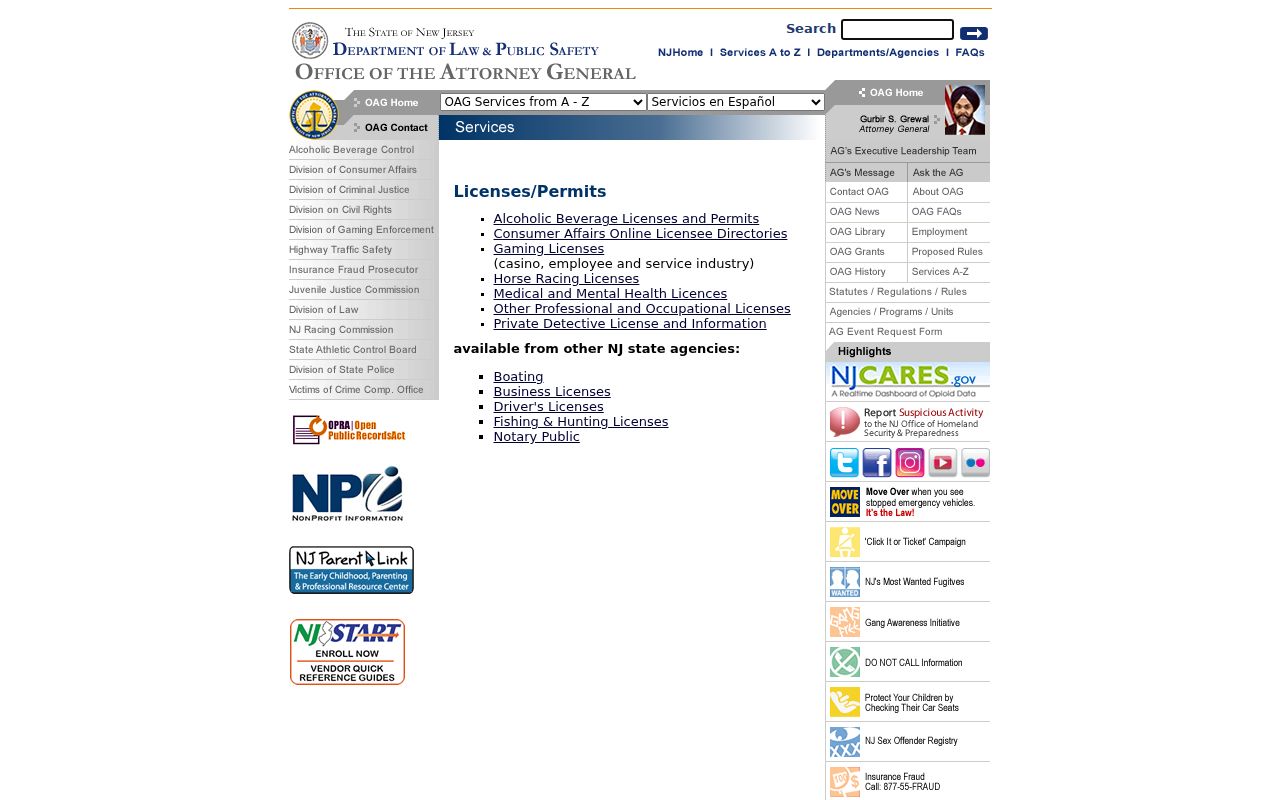
A license type, status, or city field can narrow a name question. Address rules, though, vary by board.
Englewood Unclaimed Property Clues
The New Jersey Unclaimed Property Administration runs a free statewide search. You can query it by owner or business name, first name, city, ZIP, or property ID. Its public information stops at owner name and address, and a claim demands documentation. For estate research or reconnecting a family record, an older address makes a genuinely useful lead. Just do not treat it as evidence of a current resident.
Treat each result as a prompt, not a conclusion. Check the address date, the deed chain, an obituary, a probate file, or an archive. The state cautions users about finder-fee arrangements. It never publishes the property's amount or nature as part of a public profile. A careful residents-directory search respects those limited fields.
Start at the official state unclaimed-property search whenever an old Englewood address surfaces in an estate question.
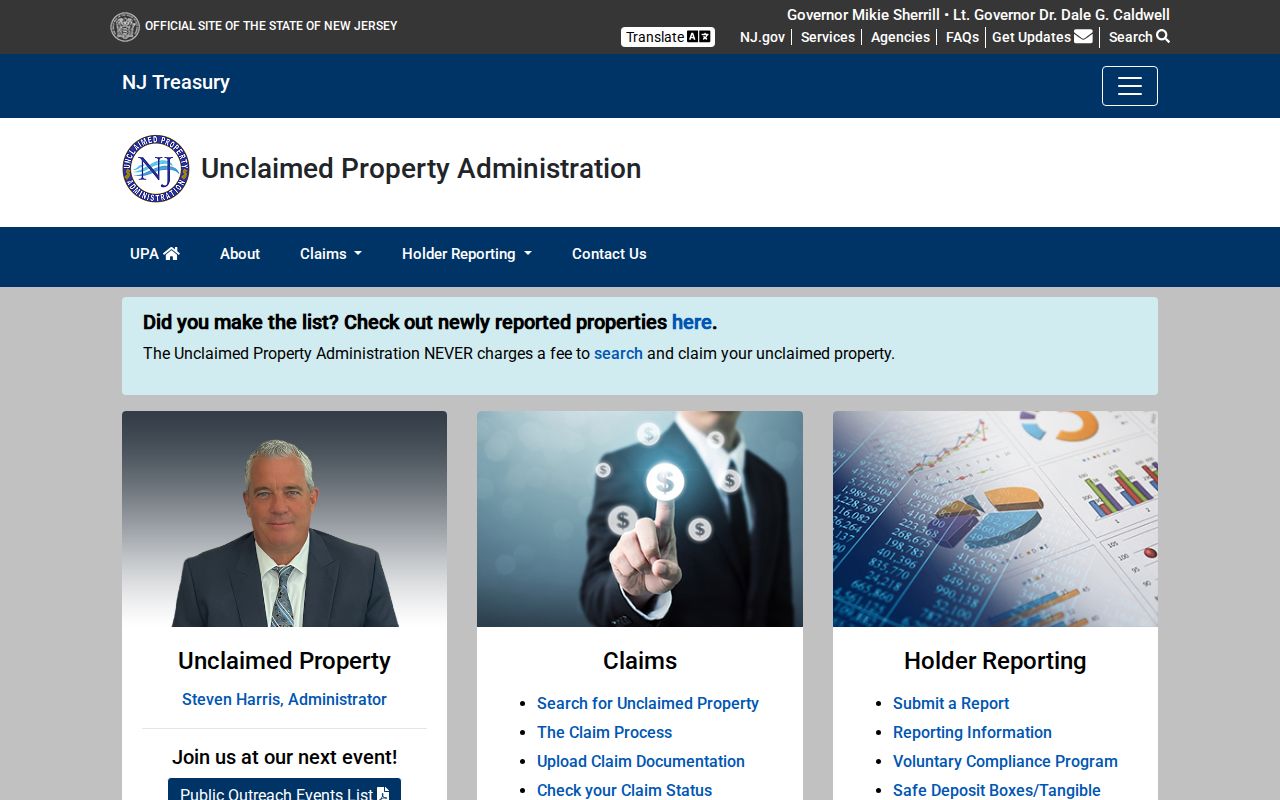
The public search can point to a prior address connection. The state still requires proof before paying any claim.
Historical Englewood Resident Directories
Englewood's historical directory leads reach well past one bookshelf. The Newberry Library lists a 1900 Tillotson Englewood & Northern Valley microfiche. The Bergen County Historical Society holds Englewood classified telephone directories from 1959 and 1961. Related county white pages sit alongside them. Call the reference desk before traveling, since local availability should be confirmed.
Directories and telephone books link a name to a street, occupation, or listed subscriber. They omit people too, and their abbreviations take practice. Pair each directory year with the nearest census, tax record, newspaper image, or deed. That combination gives a sturdier answer. The Englewood city directory page keeps the 1900 lead, telephone collections, maps, and archive alternatives. Everything sits in chronological order.
- Roll
- A list created for one administrative purpose, such as tax assessment or voter registration.
- Index
- A searchable pointer to a record, not always the document image or certified copy.
- Criss-cross directory
- An address-first directory, if a library confirms that a local volume exists.
- Parcel
- A defined piece of land, commonly linked to municipal block and lot identifiers.