
Englewood City Directory Shelves
Englewood has a useful but uneven historical shelf. The earliest confirmed city-directory lead is the 1900 Tillotson Englewood & Northern Valley on Newberry Library microfiche 3827. Mid-century searching has a different set of tools: the Bergen County Historical Society inventory lists classified Englewood telephone directories for 1959 and 1961, plus Bergen County white pages for 1960-61 and 1961-62. These telephone books are not confirmed Polk-style city directories, but they can connect a name or street to a listed subscriber. The Englewood Press is a newspaper, not a city directory, yet its long local run often fills the years between the books.
| Collection | Years | Where Held | Access |
|---|---|---|---|
| Englewood & Northern Valley, Tillotson | 1900 | Newberry Library, microfiche 3827 | Consult microfiche or an available scan |
| The Englewood Press | 1890-1982 | Englewood Public Library Digifind-IT | Free keyword search and page images |
| Englewood classified telephone directory | 1959, 1961 | Bergen County Historical Society library | Ask for call number and access terms |
| Bergen telephone directories | 1948, 1960-61, 1961-62 | Bergen County Historical Society library | Reference collection |
| Sanborn map index | 1884-1929 selected editions | Princeton index and Library of Congress items | Building and street context, not a name roll |
The Englewood Public Library’s online pages do not publish a complete print-directory, reverse-directory, telephone-book, yearbook, or obituary-card shelf list. Ask its reference desk at 201-568-2215 to confirm a specific title and year before making a trip. The Library of Congress also has a national directory microfilm collection for 1861-1960 with supplemental New Jersey material, although its staff does not perform name searches and gaps can occur.
For a useful request, give the staff the locality as it appears in the source, New Jersey, the directory type, and a target year. Keep a list of years checked, including negative results. That makes it easier to tell a missing run from a name that was absent or printed under a different form.
Note: The verified list identifies collections and years, while access details for a particular volume still need confirmation from its custodian.
Englewood City Directory Scans
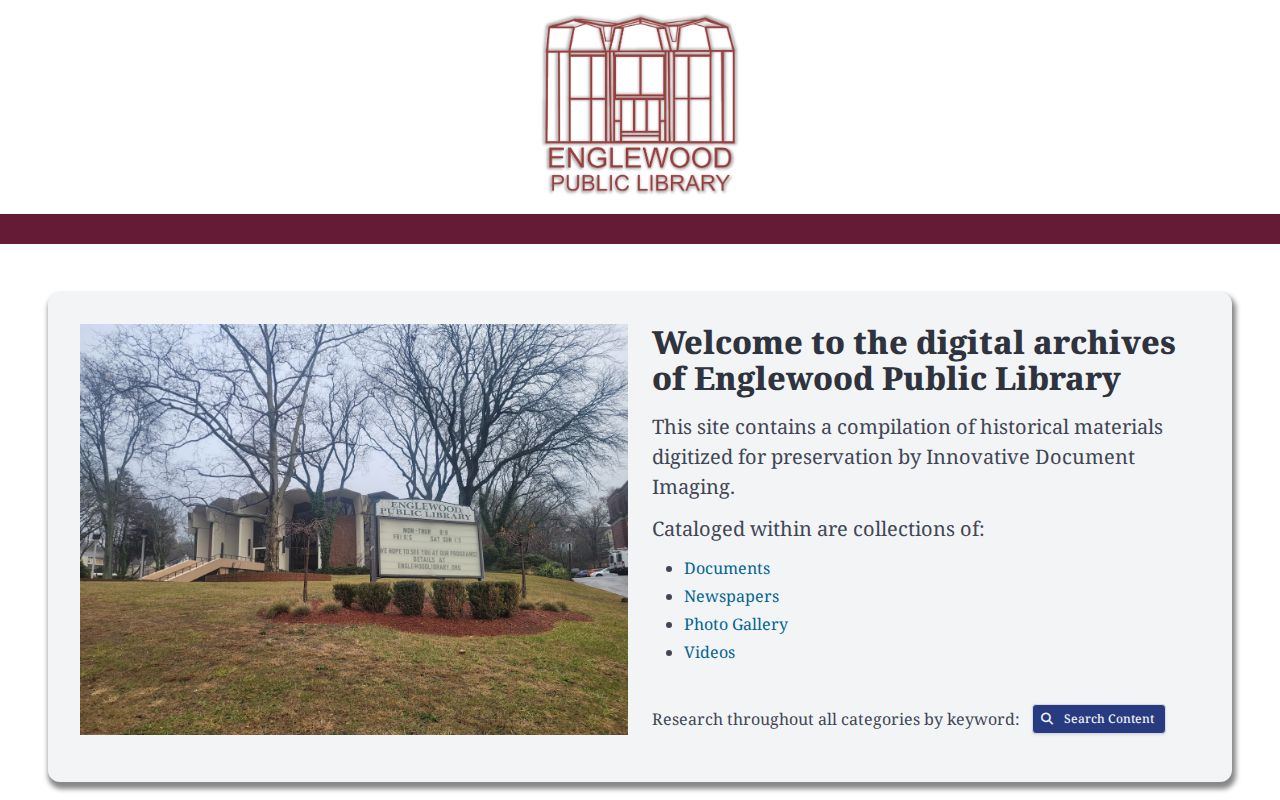
The Englewood Public Library Digifind-IT archive is the quickest local source to test a surname beside a street, church, school, event, or institution. Its searchable areas are Documents, Newspapers, Photo Gallery, and Videos. The featured newspaper set, The Englewood Press, spans 1890 through 1982. A press item can supply an address, a family relationship, an organization, or a date that makes a city-directory entry easier to distinguish from another person with the same name. OCR can split initials and street abbreviations, so search several versions and open the scanned page before recording a result.
The Digifind-IT archive provides this local search starting point.
A newspaper hit is strongest when its date, street, and family details agree with a directory or census record. It is not a substitute for reading the relevant page image.
Englewood City Directory Map Years
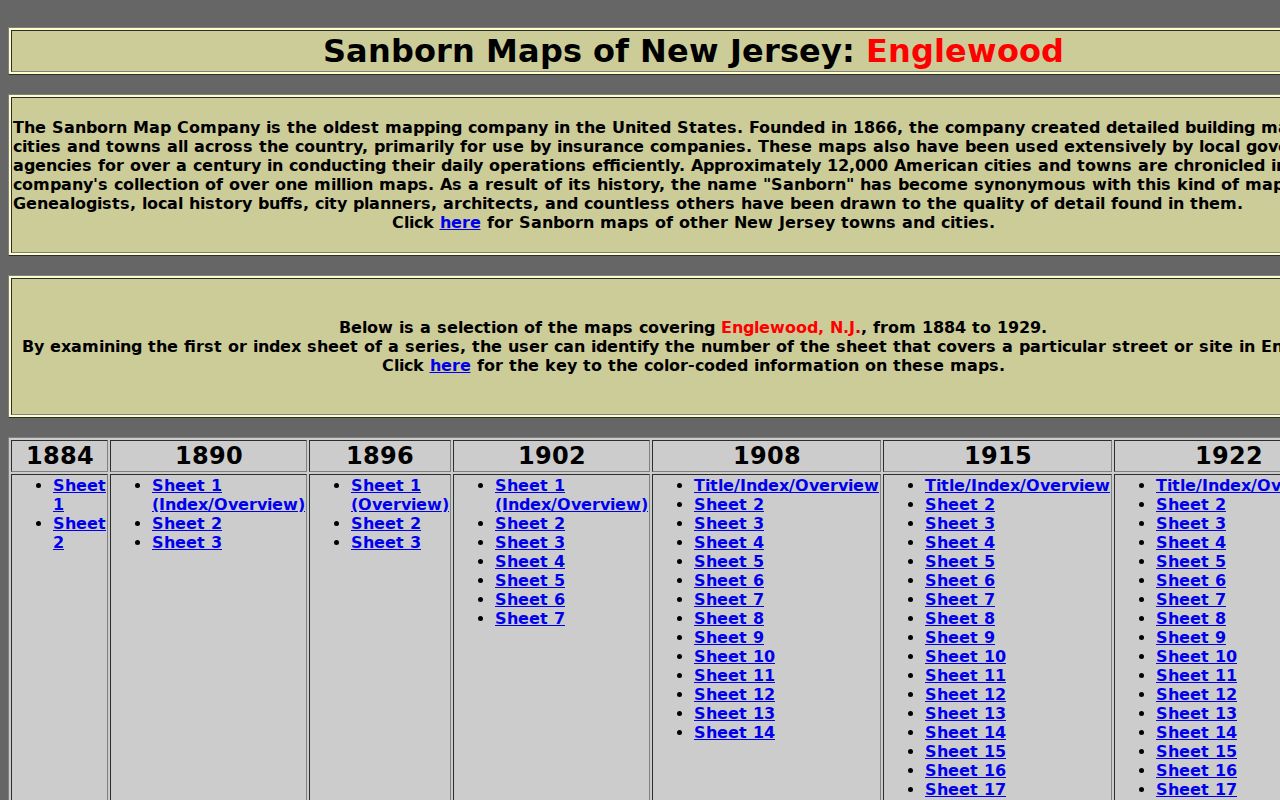
A historical city directory names people or listed subscribers. A map answers a separate question: what stood at the address at that time? Princeton’s Englewood Sanborn index identifies editions for 1884, 1890, 1896, 1902, 1908, 1915, 1922, and 1929. These fire-insurance maps can show a building footprint, use, stories, outbuildings, and street context. They do not identify residents. Use them to test whether the directory address points to the same physical place, especially when a parcel later changed shape or use.
Princeton’s indexed Sanborn editions show the available Englewood map years.
Match the map edition to the directory or newspaper date, then compare the footprint with the current parcel carefully. The map is place evidence, not a household list.
Englewood City Directory Telephone Leads
The Bergen County Historical Society holds countywide materials at Historic New Bridge Landing in River Edge. Its inventory is unusually helpful for Englewood: it names classified telephone directories from 1959 and 1961, Bergen/Passaic coverage from 1948, and Bergen white pages from 1960-61 and 1961-62. Telephone books offer a listed subscriber or address clue, not proof that every person at an address appeared. Ask the Bergen County Historical Society library for the exact call number and access conditions. The society’s contact information lists 201-343-9492 and contactBCHS@BergenCountyHistory.org.
BCHS collections information is the source for the countywide library and research contact.
For an address-first search, these books may be useful only if a reverse or classified arrangement is confirmed for the volume. Treat the subscriber name as one lead to check in the press, deed, or census record.
Note: A telephone listing can be absent, shared, or unlisted, so it cannot establish the whole household by itself.
Englewood City Directory Microfilm
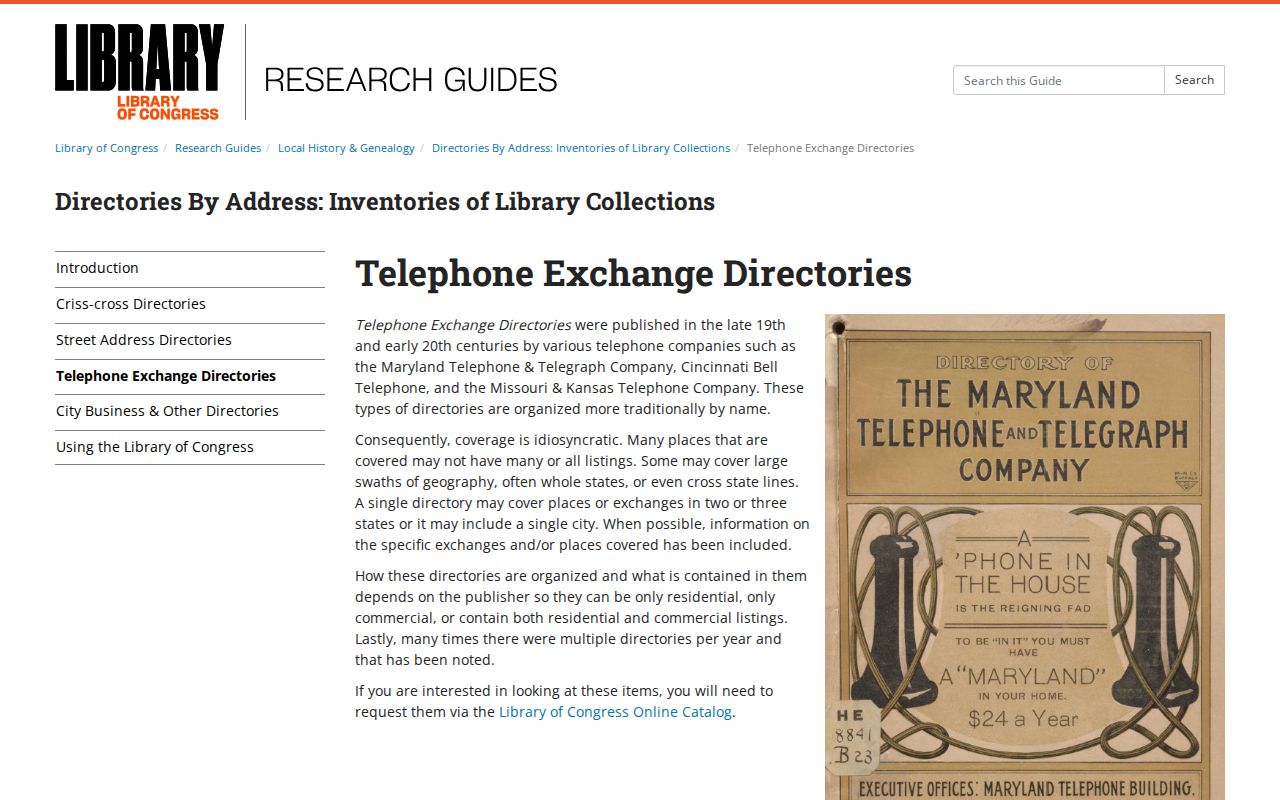
The Library of Congress is a backup route when a needed local volume is not on an Englewood shelf. Its city-directory collection guidance describes a national 1861-1960 microfilm collection, supplemental New Jersey directories, and a request process that needs the locality, state, directory type, and specific year. A related telephone-exchange directory guide identifies New Jersey and Englewood within the New York/New Jersey company coverage. Neither guide proves that a digitized Englewood city-directory page is online. Request a precise year and verify the material before relying on it.
The Library of Congress telephone-exchange guide documents the wider directory route.
Microfilm and telephone coverage can bridge an otherwise empty year, but missing volumes are still possible. Keep a note of the source, year, page, and the form of the name searched.
Englewood City Directory Catalog Route
When the local shelf does not identify the needed year, the Library of Congress city-directory collection guide is the authoritative route for a targeted request. It describes the national microfilm collection, supplemental New Jersey material, and the information a researcher must supply. The guide also makes clear that gaps occur and staff do not search a directory for a name. That keeps an Englewood city-directory request focused on a particular title and year rather than an assumed complete run.
The Library of Congress city-directory guide documents the collection request process.
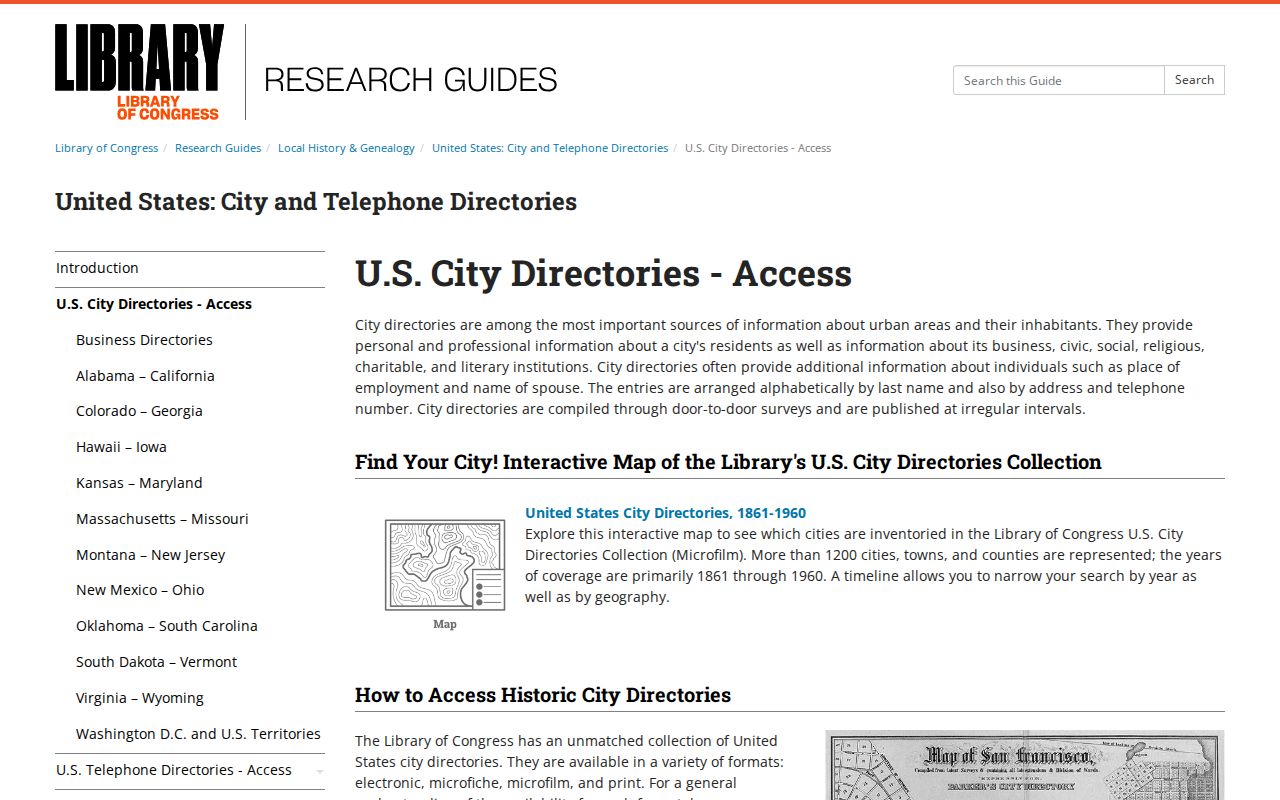
Use the catalog route as a confirmation step. It can point to possible holdings, but it does not confirm that a specific Englewood page is digitized or available without a request.
Reading an Englewood City Directory
Only collection-level facts have been verified for the 1900 Tillotson lead: the title, its year, its publisher, and microfiche 3827. A page image of a specific local entry and its abbreviation key were not inspected. That distinction matters. Do not treat common directory conventions as facts about this volume until the actual scan is open. The inventory below separates the confirmed description from fields that may occur in a historical directory and must be checked against the page.
| Confirmed collection facts | Englewood & Northern Valley, 1900, Tillotson, microfiche 3827. |
|---|---|
| Name form | Alphabetic entry is a typical convention, verify against the scan. |
| Street and number | Typical directory content, verify the actual line and punctuation. |
| Family notation | Spouse, widow, estate, or household references may occur, verify before using. |
| Work or business line | Common in many directories, but not inspected for this Englewood page. |
| Address-first section | Reverse or criss-cross coverage was not verified for a local run. |
- Criss-cross directory
- An address-first arrangement that can lead from a street number to a listed subscriber or household. Confirm that a given volume has one.
- Householder index
- A name arrangement centered on a household contact. The exact Englewood format must be checked in the volume.
- Abbreviation key
- The publisher’s explanation of short marks and terms. Photograph or transcribe it before interpreting an entry.
Note: A listed name establishes a dated directory clue, not a complete account of everyone connected with the address.
Tracing Englewood City Directories
Use a city directory as one point in a dated sequence. Begin with a surname and street, then retain every spelling, middle initial, address, and family detail found. Pair a 1900 directory clue with the 1900 federal census. For later decades, use the nearest available 1910, 1920, 1930, 1940, or 1950 census. Census schedules help establish household composition and birthplace, while directories can provide street and business context. A deed or tax record addresses ownership, which may be different from a household’s presence.
- Search the 1900 Tillotson lead and Englewood Press for the surname, street, and variant spellings.
- Record the source date, page, exact name form, and street number before drawing a connection.
- Ask the reference desk whether a reverse or criss-cross volume exists for that time and address.
- Pair each dated clue with the nearest federal or New Jersey state census schedule.
- Use an obituary, probate file, or recorded deed to explain a death, estate transfer, or move.
A directory disappearance can mean a move, a changed name, an unlisted telephone number, a change in the book, or a death. The press archive and an obituary may clarify the date, while probate and deed records can supply a later link. A name found in an older volume still needs modern verification before it is treated as current.
Note: Preserve the spelling and page number exactly, because small name differences can change the next census or deed search.
Brookside’s 1877 Chapel Move
Englewood’s historical institutions can also provide an address context that no directory line captures. The first local Presbyterian chapel dates to 1860 and was moved in 1877 to Brookside Cemetery on Engle Street. That landmark can connect church material, cemetery inquiries, obituaries, and the street references found in older press pages. A public municipal interment database was not located, so ask the cemetery, congregation, City Health office, or Clerk whether a particular burial or disinterment record is available.
The Englewood Historical Society’s projects include preservation work with the library and a Then & Now house tour. Its contact address is info@englewoodhistoricalsocietynj.org. These collections are useful context sources, not a published roster.
Englewood City Directory Boundaries
An older directory can use a place name broader than the present city. Englewood was laid out in 1859, separated into an Englewood township in 1871, began city incorporation in 1896, and completed it in 1899. Teaneck separated in 1891 and Englewood Cliffs in 1895. Search Englewood, Englewood Township, and Englewood & Northern Valley when a name or address does not appear where expected. The New Jersey State Archives is the deeper route for early Bergen deeds, naturalization, state census, newspapers, and county microfilm.
| 1859 | Englewood was laid out, an early place-name reference for later historical searches. |
|---|---|
| 1890 | The confirmed Englewood Press digital run begins. |
| 1900 | The Tillotson Englewood & Northern Valley city-directory lead is dated to this year. |
| 1959 and 1961 | BCHS lists Englewood classified telephone directories for these years. |
For pre-1900 property work, consult the New Jersey State Archives guide to Bergen County deeds, which covers 1715-1901. A missing web result may reflect custody or indexing, not a lost record. The Archives also identifies Bergen naturalization records from Common Pleas for 1804-1906, with indexes from 1866-1906. They can help distinguish same-name people when a directory, press item, or deed supplies only a partial identity.
Englewood Press pages, church records, and census schedules may use an older boundary name as well. Record the place name exactly as printed, then compare it with the date of the source. A careful place note prevents an early township reference from being treated as a mistake or automatically assigned to today’s city limits.